Masculinity's cultural crisis is deepened by poor representations of manhood in the media. Here's where young men should focus.
Toxic masculinity takes various definitions, and by no means is a new subject. The term was first coined by writer and mythopoet (a self-help genre of male-centered writing and retreats popularized in the 80s and 90s) Shepherd Bliss in the 1990s. According to a 2024 article by GQ, Bliss believed toxic masculinity was a sort of illness to healthy masculinity, solved via their mythopoetic expressions of tribal rituals and primitive screaming to revert masculinity back to its core forms.
That brief history lesson establishes that toxic masculinity in itself is a complicated subject, but anything with a prescription of primal screaming is likely a bit convoluted. In a modern day context, toxic masculinity has been defined as "a collection of offensive, harmful beliefs, tendencies, and behaviors rooted in traditional male roles but taken to an extreme," in a report by Verywellmind.
This gives quite a lot of wiggle room to the subject. Toxic masculinity, as such, can manifest in everything from self-isolation and emotional repression to substance abuse to, in extreme cases, hypersexualization of women and domestic violence.
I've grown up in a male environment. I attended a boys school from elementary through high school, and have played quite the number of high-testosterone contact sports. I am fortunate to have had a number of positive male figures in my life to base my actions upon, but with the inception of social media and a changing dynamic of what masculinity means, it seems far easier now for young men to become misguided.
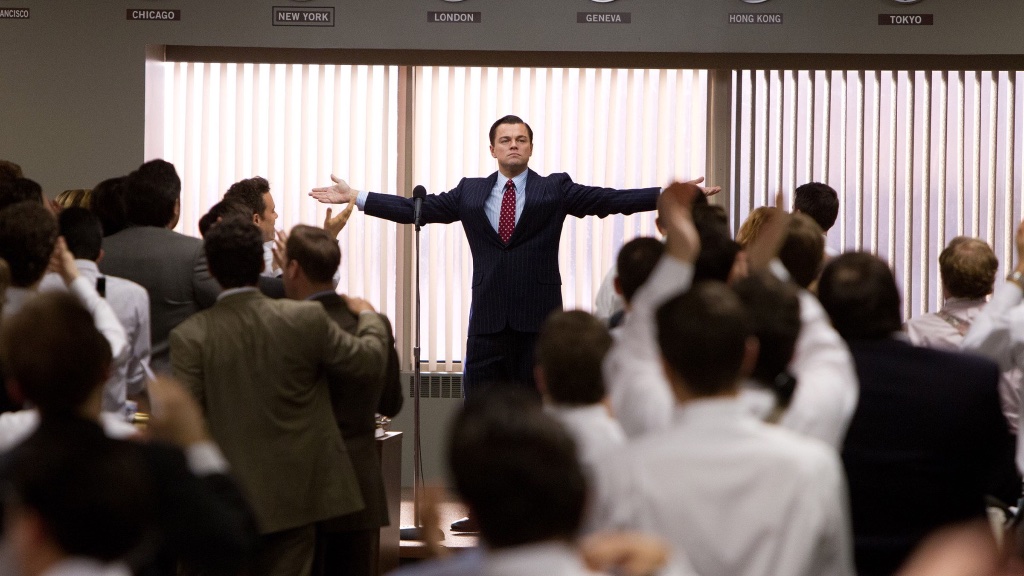
Representations of toxic masculinity in the media take many forms. Whether it be the murderous intertwining of hustle-culture and psychopathy in American Psycho or the story of international financial criminal Jordan Belfort in The Wolf of Wall Street, movies have time-and-time again introduced young men to a masculinity revolving around sex, crime and drug abuse.
These depictions are especially dangerous to young men who seek opulence and stoic lifestyles; American Psycho's main character, Patrick Bateman, is an accessible heuristic for a young man who wants a chiseled jawline, wealth and control over their life. These representations fall short when the negative – toxic – sides of these characters appear. Bateman is heavily implied to suffer from mental illnesses such as Narcissistic Personality Disorder, and dehumanizes women to such an egregious scale that he murders prostitutes.
The idealization of these figures is compounded by concrete examples of successful, yet overtly toxic figures, in reality. Take infamous influencer Andrew Tate. Tate, a self-described misogynist and sexist, toted ideals of alpha-male living that involves escaping "the Matrix" through extreme wealth and physical fitness. His boom in popularity in the early 2020s garnered a cult following of disillusioned young men post-pandemic, leading many to enroll in his online "Hustler's University" that promised to get you rich and a plethora of subservient women. The Tate saga ended with him and his brother, Tristan, garnering 21 charges (including rape and human trafficking) alongside a fancy pair of handcuffs exiting one of their court appearances.
The media has allowed for a perpetuation of these negative ideals of manhood and masculinity, and it is vital for young men to seek out positive portrayals of masculinity within the media. As I am writing this, I by no means am criticizing masculinity – in fact, traditional masculine roles do still hold a place in society (and need reaffirming).
Take, for example, fatherhood. Nearly 18.5 million U.S. children live in fatherless homes. Fatherhood seems like the most masculine value in the western world, yet nearly 1 in 4 American children will grow up without a father figure.
As such, young men should focus their media intake on figures that confirm what true masculinity is about. Look into movies such as Coach Carter, Hacksaw Ridge or Saving Private Ryan – these movies satisfy a desire for high-intensity and action-packed films while providing examples of strong male figures and values such as sacrifice and community over greed. If you still are searching for a Bateman-style character to idealize, turn to Creed or the James Bond movies. These characters have fame and wealth, but go about it in a way that is morally upright, even for boxing and spy-movies.
This should also continue into how young men view influencers. Always be cognizant of the silver-lining. Many influencers, from the infamous Tates to modern-day looksmaxxing/alpha-male influencers such as Clavicular, have apparent vices and overtly toxic traits – Clavicular's suspected drug overdose points one out. It is imperative for young men to create their own perception of what success means, and search for signs that an influencer might not be a beneficial addition to their watchlist.
Share this post